If you’ve noticed white buildup on fixtures, cloudy glassware, or soap that doesn’t seem to rinse clean, hard water may be the cause. Many homeowners begin looking into water softeners once these problems start showing up but one of the first questions people ask is simple:
How much does it cost to install a water softener?
The answer depends on several factors including the type of system, installation complexity, and your home’s water usage. Below is a breakdown of what homeowners typically pay and what influences the final cost.
Average Cost to Install a Water Softener
For most homes, installing a water softener typically costs between $1,000 and $3,000 when equipment and labor are combined.
However, the full range can vary depending on the system you choose and the complexity of the installation.
When a plumber installs a system professionally, the total cost typically falls between $1,000 and $3,000, depending on equipment quality, labor rates, and installation difficulty. However Salt free water softeners can lower the overall cost due to less complicated components.
More advanced or high-capacity systems designed for larger homes or higher water demand can reach $3,000 to $6,000 or more, particularly when additional plumbing work or filtration is involved.
Homes with larger plumbing systems, higher water usage, or more complex installations will typically fall toward the higher end of the price range.
Factors That Affect Installation Cost
Several variables can influence the price of installing a water softener.
1. Type of Water Softener
The biggest factor is the type of system being installed.
Common options include:
-
Salt-based ion exchange softeners
-
Salt-free water softening systems
-
Dual-tank high-capacity systems
Traditional salt systems typically require brine tanks, periodic salt refills as well as computer elements that require power and potential complications with programming. Salt-free water softening systems, on the other hand, are able to soften water without tanks, computers or power, just yearly filter replacements.
Each approach has different equipment costs and maintenance requirements.
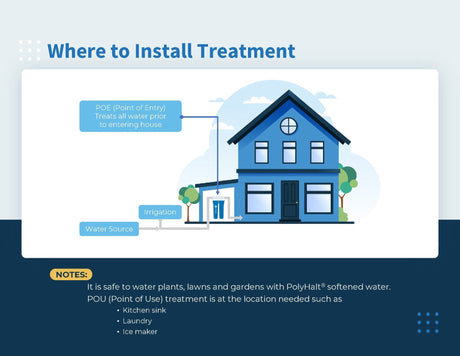
2. Installation Complexity
Some homes are easier to install than others.
A straightforward installation may involve:
-
Connecting to an existing softener loop
-
Installing a bypass valve
-
Adding a drain connection
More complex installations may require:
-
Cutting into the main water line
-
Installing new drain connections
-
Adding mounting hardware or electrical outlets
Labor costs can vary widely depending on the plumbing configuration and location of the installation.
3. Home Size and Water Usage
Water softeners must be sized based on household demand.
Installers typically consider:
-
Number of people in the home
-
Daily water usage
-
Hardness levels in the water
Larger households or homes with high hardness levels may require larger systems, which increases equipment cost.
4. Additional Filtration
A water softener is also different from a filter and many water softeners require additional filters to soften water
Common additions include:
-
Sediment filtration
-
Carbon filters for chlorine
-
Iron or manganese treatment
Adding these components can improve water quality but may increase the overall system price.
Ongoing Costs to Consider
Beyond installation, some systems have recurring maintenance costs.
Traditional salt softeners typically require:
-
Regular salt refills
-
Periodic maintenance
-
Cleaning of the brine tank
Salt-free water softening systems may reduce some of these maintenance requirements since they do not rely on salt regeneration.
Depending on the system type, annual maintenance costs can vary.
Are Water Softeners Worth the Cost?
For many homeowners, installing a water softener helps reduce long-term wear on plumbing and appliances.
Hard water minerals like calcium and magnesium can contribute to:
-
Scale buildup inside pipes
-
Reduced efficiency in water heaters
-
Stains and buildup on fixtures
Treating hard water can help extend the life of plumbing systems and make cleaning easier throughout the home.
A Salt-Free Water Softening Option
Some homeowners prefer a salt-free water softening approach that helps prevent scale formation without adding salt or producing wastewater.
Salt-free water softening systems are often chosen by homeowners looking for:
-
Low maintenance treatment
-
No salt storage or hauling
-
A smaller installation footprint
- Cascadian systems soften, filter and clarify taste in just one cartridge
The right solution depends on the specific minerals and characteristics present in your water.
Start With a Water Test
Before choosing any water treatment system, water tests are crucial and it’s important to understand what’s in your water.
A water test can identify:
-
Hardness levels
-
Iron or manganese
-
Total dissolved solids (TDS)
-
Other minerals that may influence treatment
With accurate water data, homeowners and plumbers can determine the most appropriate solution.